
The US has issued a withering verdict on Sir Keir Starmer’s mission to unclog the Strait of Hormuz.
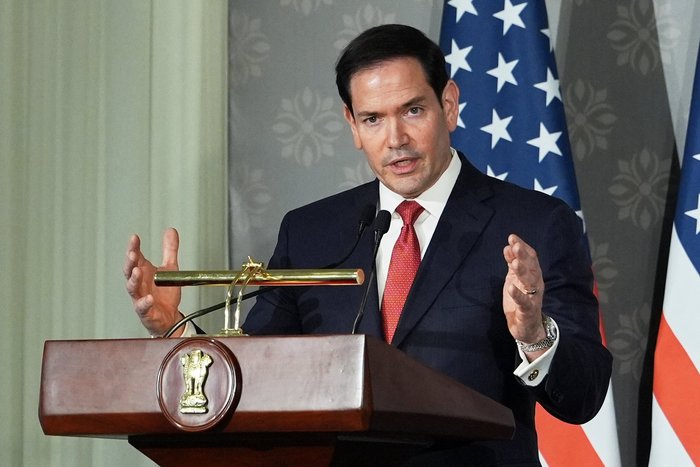
Secretary of State Marco Rubio has questioned an Anglo-French mission to secure the vital waterway once the conflict in the Middle East comes to an end.
Speaking in Congress, Mr Rubio questioned whether naval escorts would be necessary once hostilities cool – but acknowledged it could provide initial reassurance to shipping.
The Secretary of State said that ensuring the safe passage of vessels through the strait is set to dominate the agenda at the upcoming G7 summit.
He said: “Even though it’s not a military forum per se, the UK and France are members of it.
“They’ve put together this initiative, which they say they will send mine sweepers and escort ships, but they will do so once hostilities are ended. Kind of a catch-22.
“On the one hand, I mean, why do you need naval escorts if no one’s shooting at the ships?
“That said, I don’t diminish the utility of it, because I would imagine the first few ships to go through are going to like to be escorted.”
The G7 summit is scheduled to take place later this month in Evian, France as talks between Washington and Tehran continue.
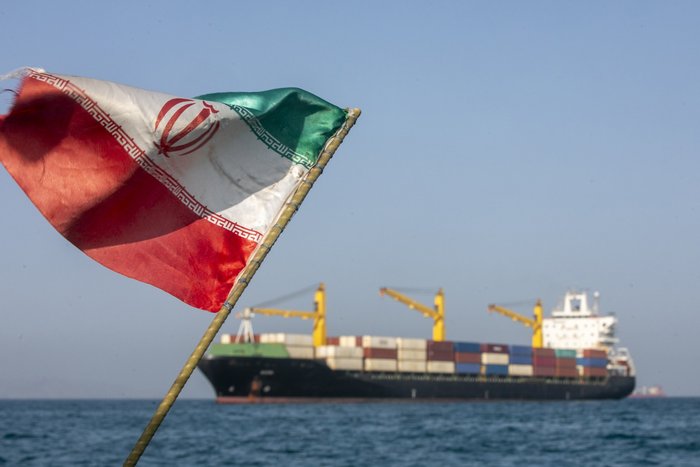
The Islamic Republic’s grip on the strait has sent economic shockwaves across the globe, with the price of oil skyrocketing since the conflict erupted.
It triggered the US to impose a blockade on the waterway, resulting in a tense standoff and leaving more than 1,500 ships stranded.
Mr Rubio told the Senate Foreign Affairs Committee that Washington has not offered to relax sanctions on the Middle Eastern country in exchange for opening up the strait.
Throughout the conflict, the Trump administration has argued that the responsibility to unclog the vital waterway should be shifted to Europe – with Defence Secretary Pete Hegseth insisting its “much more their fight than ours”.
The Prime Minister’s joint plans with France to protect shipping in the Gulf also previously drawn criticism from Mr Rubio, who blasted “it doesn’t make sense”.
The plans – long touted by the Prime Minister as a means to tighten up security in the strait – would see Britain deploying autonomous mine-hunting equipment, anti-drone systems and Typhoon jets to the region.
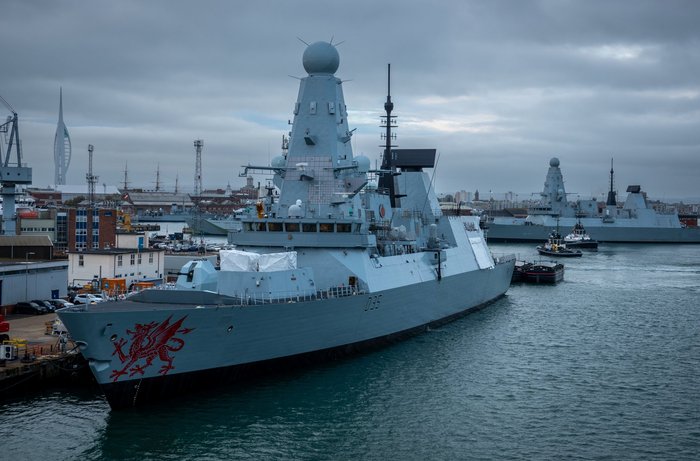
The proposed defensive mission would also see the HMS Dragon destroyer play a “potential role”, according the Ministry of Defence.
Mr Rubio’s remarks to Congress come as the fragile ceasefire hangs by a thread – with US Central Command (CENTCOM) confirming it had conducted “self-defence strikes” on Iran’s Qeshm Island on Tuesday.
A statement released by the military command said the action was taken in response to “attempted attacks” by the Islamic Republic across the Middle East.
It said: “Iran launched several ballistic missiles toward regional neighbors; however, all failed to hit their intended targets.
“Two Iranian missiles fired at Kuwait fell short or broke apart enroute, and three missiles launched at Bahrain were immediately intercepted by US and Bahrain air defence forces.
“Moments earlier, CENTCOM forces shot down three one-way attack drones launched by Iran toward civilian mariners that were rightfully transiting regional waters.
“American forces also conducted self-defence strikes on an Iranian military ground control station on Qeshm Island.
“No US personnel were harmed. CENTCOM forces remain vigilant and ready to defend against unwarranted Iranian aggression during the ongoing ceasefire.”
Meanwhile, the IRGC said it targeted the US Fifth Fleet in Bahrain and the US vessel Panaya in response – a claim that Washington has denied.


