
Starmer Faces Backlash Over Labour’s Tax Plans in Fiery Post-Budget Interview
Keir Starmer came under intense scrutiny today as he was accused of “misleading” the public over Labour’s latest tax proposals in a combative interview following the Budget.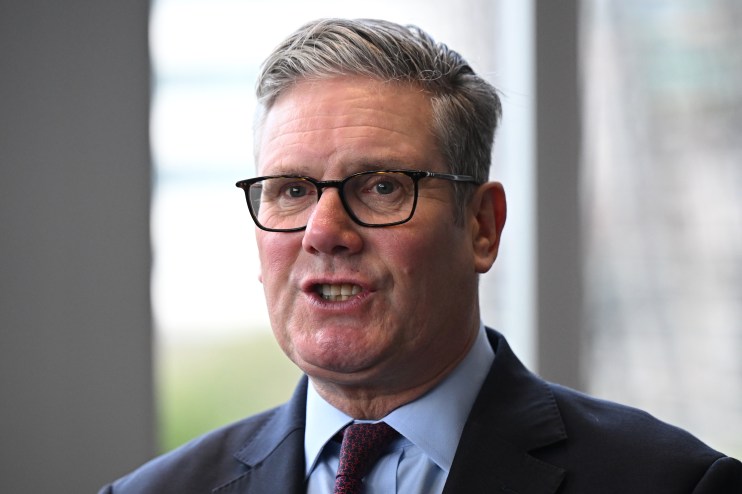
In a tense exchange with Sky News’ Beth Rigby, the Labour leader struggled to justify the £30 billion package, insisting it was the “least” the Chancellor could impose — despite the Office for Budget Responsibility (OBR) reporting no fiscal gap on that scale. Much of the money will fund rising welfare costs.
Starmer blamed external factors, such as Tory austerity and Donald Trump’s tariffs, but insisted Labour had not broken its manifesto promises.
Key Measures Trigger Controversy
The Budget includes an eye-watering £12.7 billion from extending the tax threshold freeze for another three years. By 2030, a quarter of workers will be paying higher or top-rate tax, up from 15% in 2021. The higher-rate threshold would have risen to £70,370 if it had kept pace with inflation but will remain at £50,270.
Welfare costs are forecast to soar by £16 billion by 2030-31, with per-year spending rising from £333 billion in 2025-26 to £389.4 billion by 2029-30. The OBR warns that tens of thousands of large families will benefit at an estimated cost of £300 million.
Labour MPs welcomed measures like axing the two-child cap, while the Tories denounced the Budget as a “Budget for benefits street”, and Nigel Farage criticized it as an “assault on aspiration.”
Starmer Under Pressure
Pressed on whether he had misled voters, Starmer maintained:
“We kept to our manifesto in terms of what we’ve promised… but I accept the challenge that we’ve asked everybody to contribute.”
He cited the need to protect the NHS as justification, but Rigby suggested he had prioritized party image over the public. Starmer defended measures like lifting half a million people out of poverty, refusing to apologize.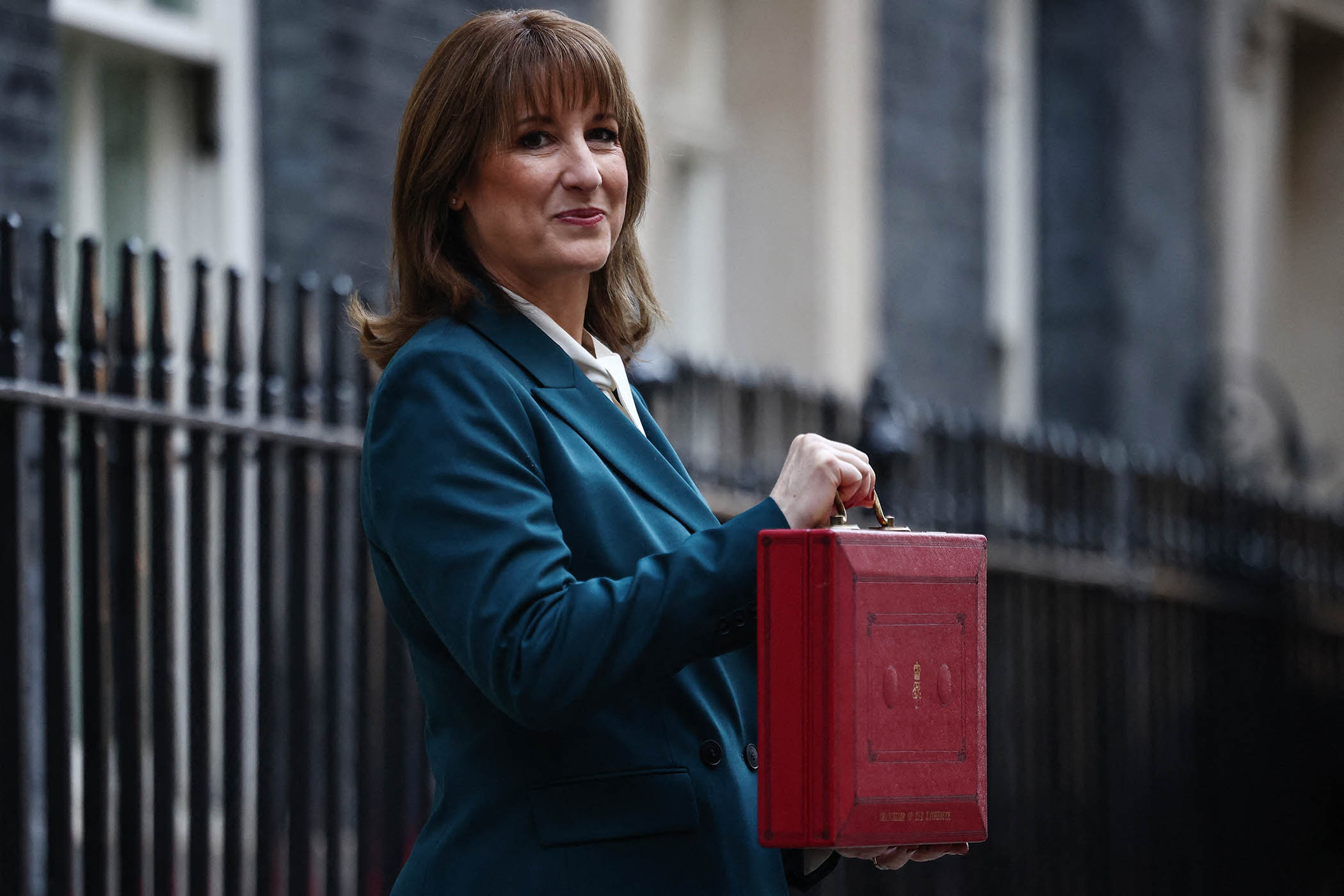
Chancellor Rachel Reeves’ Role
Chancellor Rachel Reeves faced her own scrutiny. Critics argued that the Budget was a borrow-and-spend package, raising taxes while expanding public spending, including £4.7 billion from salary sacrifice pensions, a controversial mansion tax, and fuel duty increases. The Treasury also earmarked £1.8 billion for digital ID cards and cut cash ISA limits from £20,000 to £12,000.
Reeves defended the threshold freezes, claiming they minimized the impact on ordinary working people and stabilized the economy. She argued the measures were essential despite their short-term pain, saying:
“I am not denying this has an impact on working people. But we are taking action on energy bills and public finances under pressure.”
Economic Analysis
The Institute for Fiscal Studies (IFS) warned that while Labour adhered to its manifesto tax pledge, millions of low-to-middle earners would be worse off due to threshold freezes compared with a modest rate increase.
The Resolution Foundation noted that most of the Budget’s financial impact will hit in 2028, with threshold freezes, the mansion tax, and salary sacrifice schemes taking effect. They warned the decade ahead could be extremely challenging for living standards, second only to the previous Parliament.
Takeaways
-
Labour’s £30 billion tax-and-spend package has sparked accusations of misleading the public.
-
Threshold freezes, welfare spending increases, and targeted tax measures are at the center of controversy.
-
Starmer and Reeves defended the Budget, citing manifesto promises, public services, and long-term economic stability.
-
Analysts warn ordinary working families may bear most of the burden as threshold freezes and other measures take effect in 2028.
The interview highlighted the political and economic tensions facing Labour ahead of the next election, leaving questions over trust, fiscal responsibility, and the long-term impact on households.


