
Chancellor Rachel Reeves is scheduled to hold direct talks with US Treasury Secretary Scott Bessent in Washington today.
The two finance ministers arrive at the International Monetary Fund’s spring meetings with starkly opposing perspectives on the Iran crisis.
The conflict in the Middle East, which has triggered a worldwide economic shock and driven energy costs sharply higher, is expected to dominate proceedings at the influential financial institution.
Mr Bessent has argued that temporary economic hardship is an acceptable price for eliminating the threat of a nuclear-armed Tehran.
Meanwhile, the Chancellor has publicly expressed her anger at what she termed an American “folly” in the Middle East, criticising the financial consequences now being felt by British families.
Their meeting comes amid a fragile ceasefire and ongoing diplomatic efforts to resolve the standoff.
The Treasury Secretary defended the surge in prices affecting consumers worldwide, stating that “a small bit of economic pain for a few weeks is worth taking off the incalculable tail risk of either a nuclear Iran or a nuclear Iran that uses that weapon”
He also expressed confidence that the disruption would prove short-lived.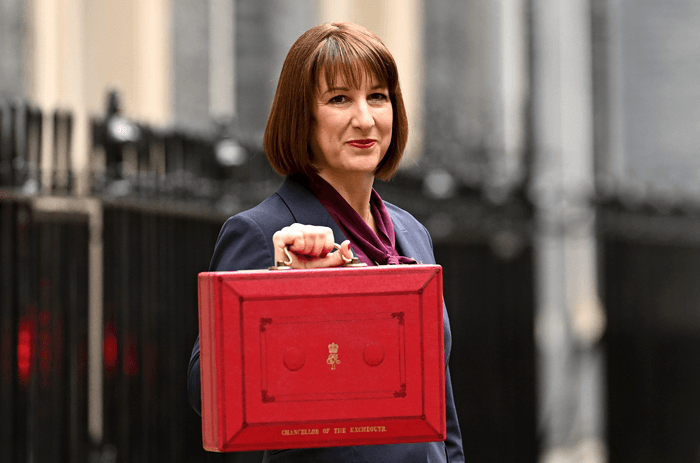
“There is nothing more transient than what we are seeing now,” he said, predicting that once hostilities conclude, costs would fall across the board.
“So the conflict will end, prices will come down, and then headline inflation will come down, and with that, gasoline prices will come down,” he added.
His remarks came as Iran’s nuclear programme remained the central obstacle in negotiations, with weekend talks between Washington and Tehran breaking downMs Reeves made her frustration clear before departing for the United States, telling the Mirror: “I feel very frustrated and angry that the US went into this war without a clear exit plan, without a clear idea of what they were trying to achieve.”


