
Downing Street has held talks on the potential of mass protests over a cost of living crisis following the war in Iran.
Experts have previously warned energy bills could rise by £160 if the war in the Middle East drags on, with fuel prices hitting their highest level since 2022.
Now, GB News understands representatives from several Whitehall departments held conversations about the prospects of mass demonstrations due to high prices and shortages of key goods.
Ministers have also held Iraq war-style “stop the war” demonstrations, which they believe could be focused in communities with a large population of Muslims
Housing Secretary Steve Reed is believed to be in charge of “community cohesion” during the war, however any potential mass protests or rioting would be under the responsibility of the Home Office.
Sources told GB News that community tensions were not assessed as “a likely outcome”.
One added: “Suggestions that we are bracing for public disorder are categorically incorrect and the UK has strong and diverse energy supplies.
GB News understands that departments across Whitehall carry out continuous, routine work with industry, local government, and emergency services to ensure national resilience.
Petrol stations in the UK are being supplied as normal with a diverse and resilient supply for both petrol and diesel, they said, although officials “continue to monitor the situation closely”.
Ministers have previously urged the public not to stockpile petrol and diesel, with some fuel stations having already reported shortages.
Farmers have complained that red diesel, the low-tax fuel used for farm machinery, has been rationed by suppliers.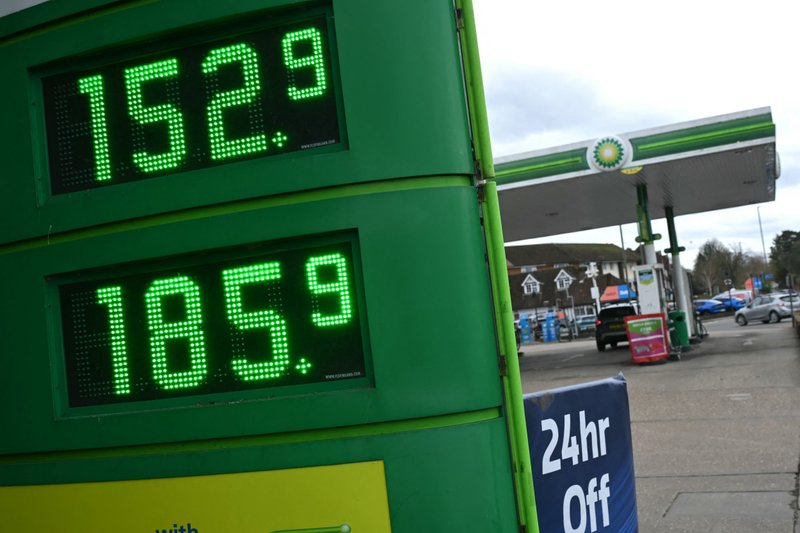 Fuel price protests have already broken out in Ireland, where the Army was deployed to clear demonstrators from a port in Limerick and an oil refinery in Cork.


