
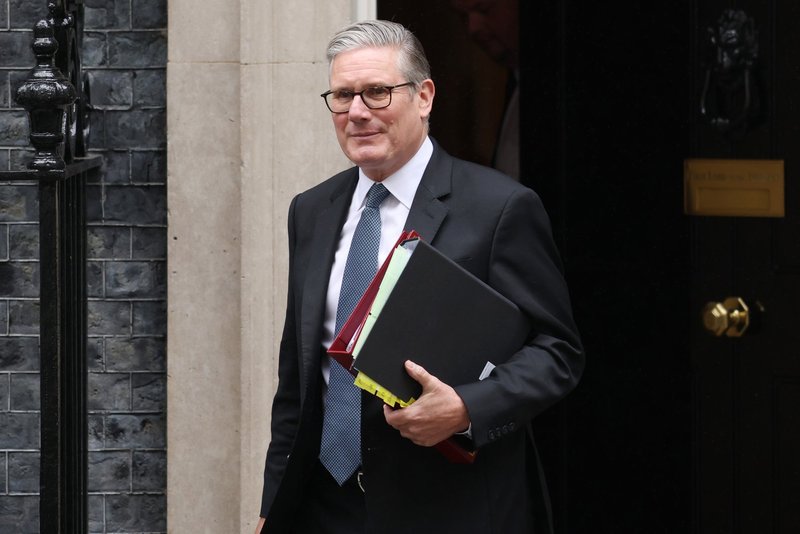
Sir Keir Starmer is set to impose internet restrictions on millions of Britons within days, it has emerged.
The Prime Minister is expected to pursue an “Australian-plus” model following a three-month consultation on Australia’s social media ban, combining restrictions on high-risk platforms for under-16s with curbs on addictive features and tougher age-verification checks.
Tomorrow’s anticipated announcement will mark the first phase of the crackdown, requiring technology firms to introduce software that prevents children from taking, storing or sharing intimate images.
Companies including Google and Apple could face fines, restrictions on device sales to minors or criminal penalties if they fail to comply within 90 days.
Dame Rachel de Souza, the Children’s Commissioner, has urged ministers to extend any restrictions to all under-18s.
“If we are genuinely seeking to safeguard children from harm, we cannot allow 16 and 17-year-olds to have lesser protection,” she told The Telegraph.
Dame Rachel has called for the measures to extend beyond social media platforms to include gaming websites, AI chatbots and other online services that pose risks to young people.
She has also urged Sir Keir to draw up a list of features that technology companies would be required to remove, including autoplay functions, infinite scrolling, popularity metrics such as “like” buttons, location-sharing tools and livestreaming capabilities.
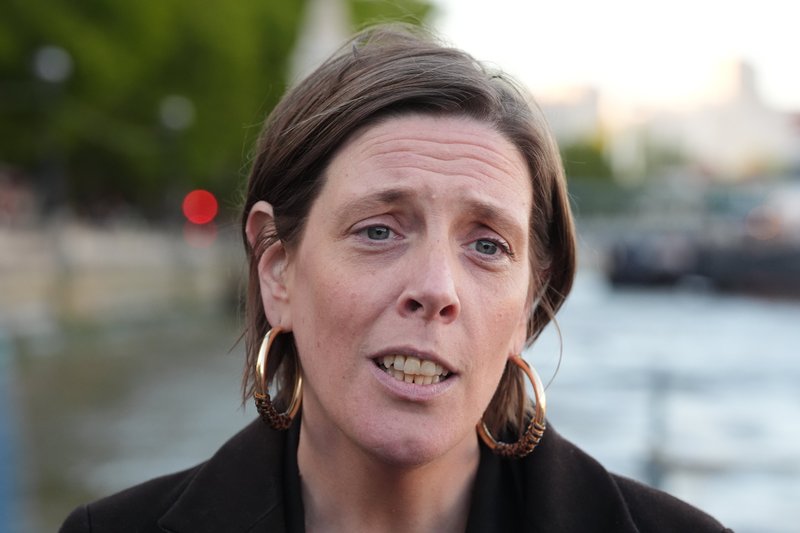
Jess Phillips, the former Safeguarding Minister who championed the measures before resigning over implementation delays, hailed the nude-image prevention technology as a “game changer” that would help protect children from online predators.
The Government’s consultation found strong public support for tougher restrictions, with 89 per cent of the 9,500 parents who responded backing a legal minimum age for access to social media platforms.
Dame Rachel accused adults of a “dereliction of duty” in protecting children online, saying many young people felt forced to protect themselves by disabling notifications, deleting accounts and installing app blockers.
Despite the previous introduction of the Online Safety Act, concerns remain over children’s exposure to harmful content.
Research cited by the commissioner found that 15 per cent of children aged 13 to 17 had encountered content promoting eating disorders, while 13 per cent had viewed material encouraging suicide or self-harm.
She argued the existing legislation had failed to tackle more subtle harms, including addictive platform design and excessive screen time driven by late-night scrolling.
Dame Rachel said. “It is not about ‘banning children’. Children have done nothing wrong. They are not the culprit.
“It is about banning powerful technology companies from accessing and harming England’s children.”
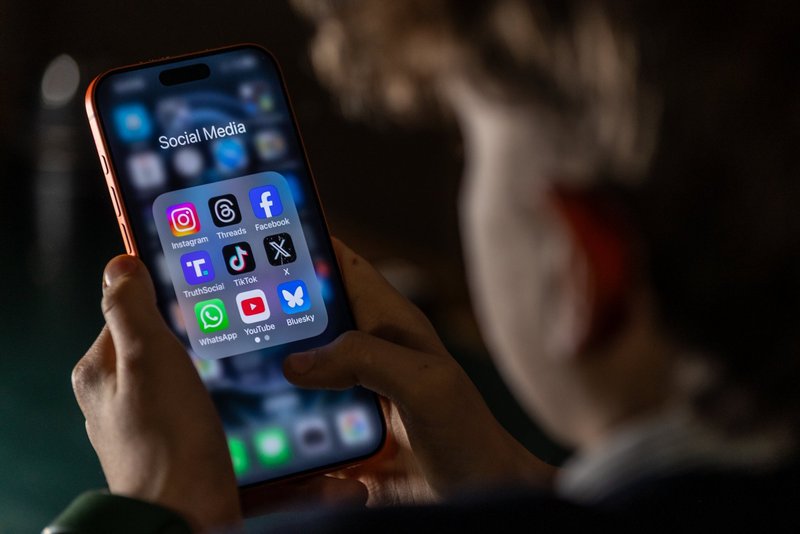
The plans come amid growing pressure on the Government to strengthen online protections for young people and are expected to represent the most significant intervention in children’s social media use since the Online Safety Act became law.
Sir Keir is said to have adopted a more hardline stance after meeting bereaved parents and reviewing evidence from Australia’s blanket social media ban for under-16s, which came into force at the end of last year.
“The Prime Minister is not afraid about taking on the tech companies and their bosses to protect young people,” a No10 source told The Times.
He is expected to unveil the Government’s full plans in the days leading up to the Makerfield by-election on June 18.


