
Gen Z Is Becoming a Political Powerhouse — But Politicians Still Don’t Speak Their Language
Analysts say America’s political class still doesn’t understand the generation that grew up with Zoom school, constant online scrutiny, viral violence, and lockdown drills. Yet Gen Z isn’t waiting for 2028 to make its mark. They’re already staffing city halls, working campaigns, shaping field operations, running for Congress, and pushing both parties to rethink messages that no longer resonate.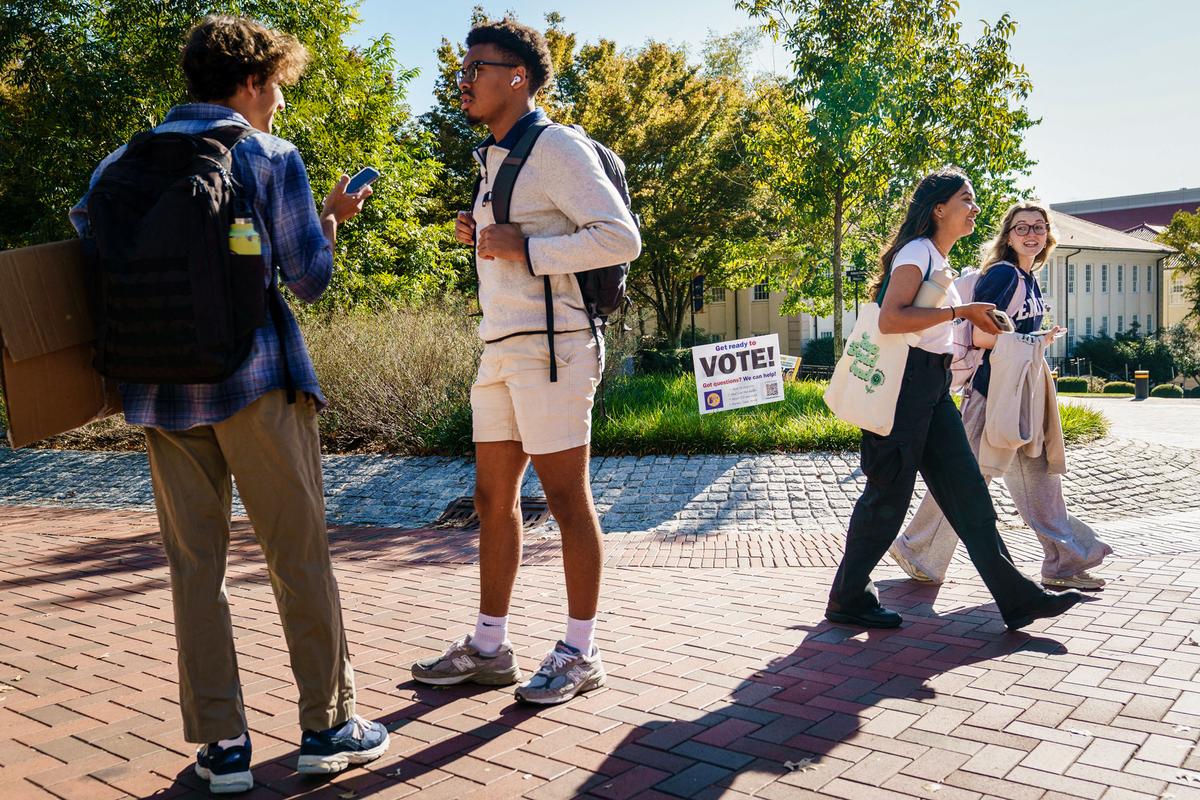
A Generation Forged in Crisis
Born between 1997 and 2012, Gen Z came of age during the Great Recession’s fallout, social media’s rise, the COVID pandemic, soaring housing costs, and near-daily exposure to online trauma.
Democratic strategist Adin Lenchner says most political leaders “fundamentally do not understand” this lived reality — or the urgency it produces.
To many young Americans, politics isn’t theoretical. It’s survival.
And as Lenchner puts it: “Gen Z is taking the future into their own hands.”
By 2028, millennials and Gen Z will form a majority of U.S. voters. By 2036, that number will exceed 60 percent.
Engaged, Impatient, and Not a Monolith
Youth turnout dipped slightly from its record high in 2020, but remained strong in key battlegrounds. Surveys show:
-
9 in 10 young Americans care deeply about their communities.
-
Most prefer difficult conversations in person — not online.
-
They are pessimistic about climate and inequality, distrust institutions, and want more economic protections — but doubt leaders will deliver.
And they’re not ideologically uniform.
Globally, a growing gender divide is emerging: many young women lean left, while many young men are shifting right — a pattern tied to economic pressure, culture battles, and online influencers.
Inside Gen Z’s Political Awakening
For some, political engagement is deeply personal.
Ashleigh Ewald, 23, entered politics because of her traumatic experiences in the foster care system. After years of Democratic activism, she now describes exploring a wider political spectrum and admits many Gen Zers hold some conservative views but fear backlash for expressing them.
Strategists note that Gen Zers are more open about mental health and trauma, yet more cynical about institutions. That mix — vulnerability and skepticism — is reshaping how they participate.
Parties Are Still Missing the Point
Both parties claim they’re engaging Gen Z, but often in superficial or transactional ways:
-
Democrats lean on TikTok, Instagram, and digital creators.
-
Republicans target young men through podcasts, livestreams, and influencer collaborations — including Donald Trump’s appearances on creator channels.
But strategists say older leaders still treat Gen Z as a demographic to “manage,” not a force to learn from.
Gen Z doesn’t want to hear only about tuition or debt.
They want real conversations about:
the economy, foreign policy, climate, democracy, and accountability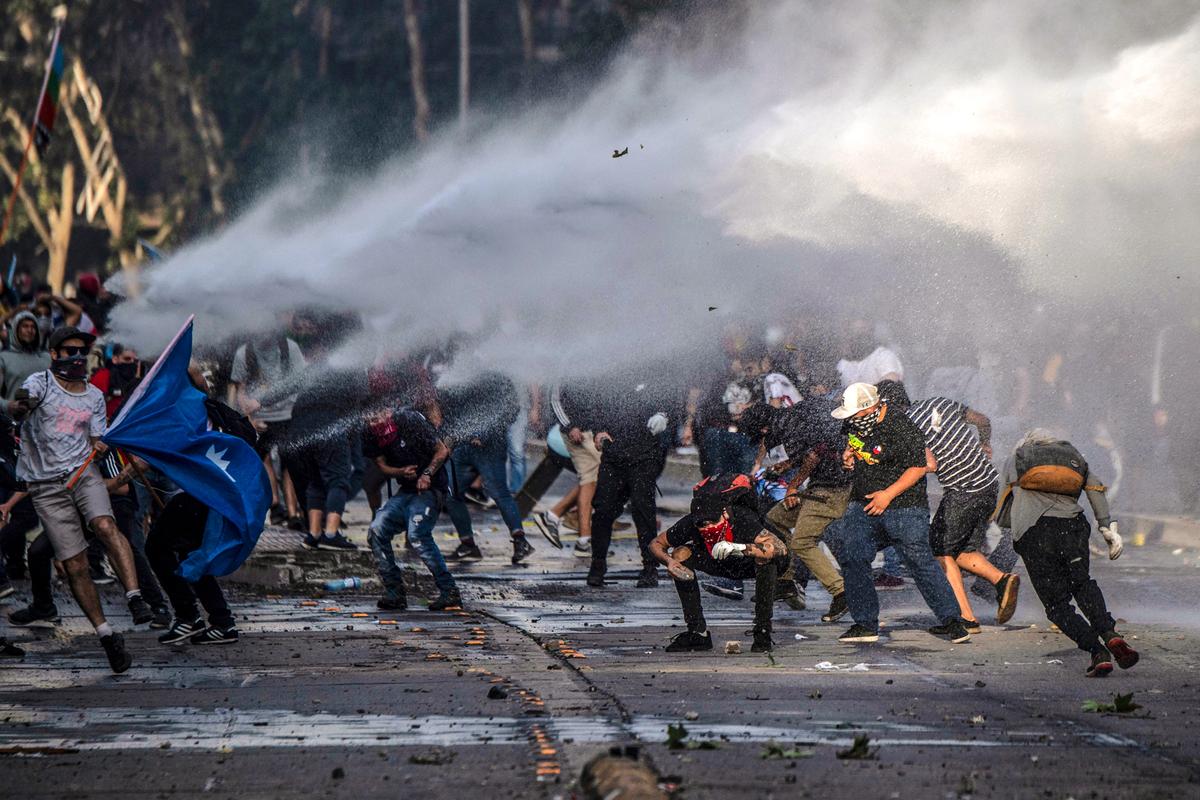
A Global Pattern
Similar youth-driven movements are rising worldwide:
-
Chile’s 2019 protests reshaped national politics and helped elect 35-year-old Gabriel Boric.
-
Nigeria’s #EndSARS protests used digital organizing to force institutional change.
Across continents, young voters are challenging assumptions and rejecting traditional political scripts.
Rewriting the Rules of Engagement
Gen Z campaigns differently: blending commentary with daily life, setting boundaries, and insisting on authenticity. They’re often caricatured as sensitive or uninformed, yet strategists say they’re among the most politically literate generations.
The question is no longer if Gen Z will shape politics — but whether the parties can keep up.
Some strategists believe change is inevitable. Others say Gen Z won’t wait. They’ll simply run, organize, and lead on their own.
“Time will tell if the political system responds,” Lenchner says. “But Gen Z has already decided they’re not waiting for permission.”


