
Dick Cheney, who died Tuesday at 84, was more than a vice president — he was the architect of a new era in U.S. foreign policy, one that reshaped the world and left scars still visible today.
Serving as defense secretary under George H.W. Bush during Operation Desert Storm and later as vice president under George W. Bush, Cheney became one of the most powerful figures in modern U.S. history — a man often described as Bush’s “chief operating officer.” 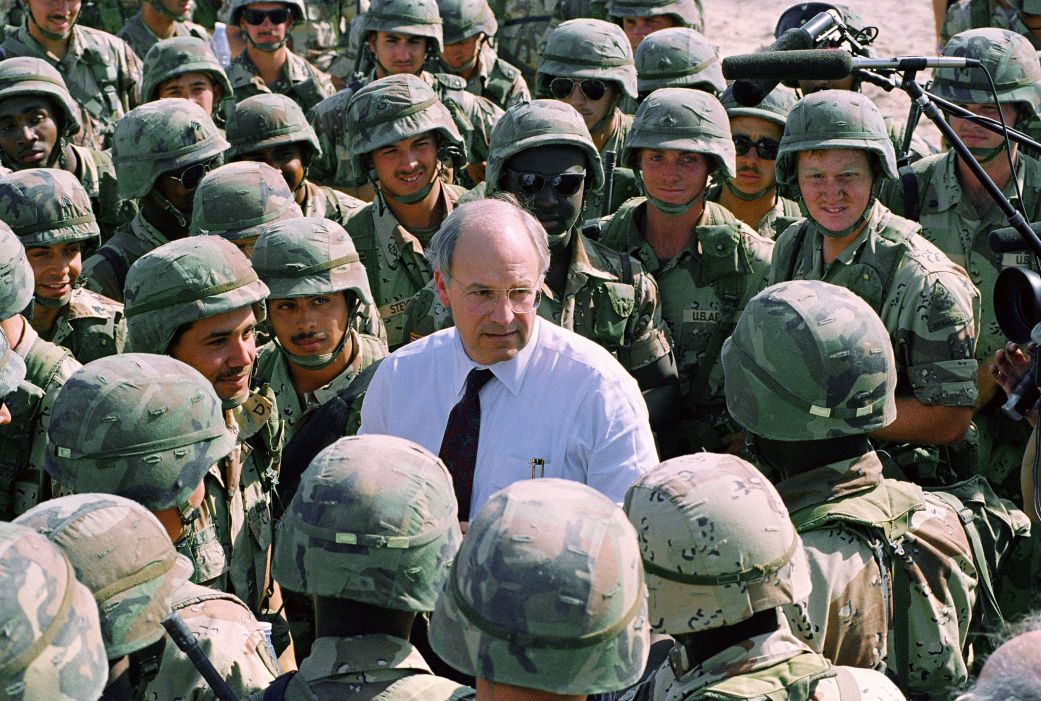
It was Cheney who, in 2002, confidently told the world:
“There is no doubt that Saddam Hussein has weapons of mass destruction.”
But there was doubt — and it was justified. Iraq had no such weapons. Still, that claim became the foundation for a U.S.-led invasion that toppled Saddam Hussein but opened a Pandora’s box of chaos: insurgency, terrorism, and regional instability that still ripple across the Middle East today.
The initial invasion was swift and decisive, but the occupation that followed was a disaster. U.S. forces quickly found themselves entangled in a complex society they didn’t understand — a power vacuum filled by sectarian violence, corruption, and the rise of groups like ISIS.
The Abu Ghraib torture scandal became a global symbol of America’s moral collapse. Cheney condemned the abuses but defended waterboarding, calling it a “useful tool” — a stance that cemented his reputation as one of the most controversial figures in U.S. politics.
Today, Iraq is no longer a war zone, but it remains fractured, heavily influenced by Iran, and haunted by the legacy of an invasion many now see as one of America’s greatest strategic mistakes.
According to Brown University’s Costs of War Project, post-9/11 conflicts — many championed by Cheney — have cost the U.S. $8 trillion and contributed to rising debt and global instability.
Cheney didn’t act alone, but his fingerprints are on nearly every decision that defined the post-9/11 era — from the “War on Terror” to the long shadow of Iraq. His passing marks the end of an era, but the consequences of his choices remain painfully alive.


