
From across the Atlantic, I watch, fascinated, as Nigel Farage resigns from his Clacton seat to force a by-election he rightly calls “people versus the establishment”.
Always misguided, Keir Starmer has called this a stunt. I disagree.
Rather, it is the latest chapter in a troubling global pattern we have witnessed up close here in America: entrenched elites who would rather watch the country burn — borders wide open, streets less safe, institutions captured — than yield power to a champion of the common man.
Donald Trump is the ultimate proof that this machine can be conquered.
He endured Russiagate, two impeachments, lawfare, and endless sabotage, yet the American people delivered a historic comeback. Britain now faces its own moment of truth.
The people’s votes must matter more than procedural traps and institutional self-preservation, or our closest ally will slide further into the abyss.
I fondly remember a Britain that stood as a bulwark of liberty, sovereignty, and common sense – the Britain of Churchill, of the Blitz spirit, of institutions that commanded respect.
Today, under successive leaderships, that inheritance feels increasingly eroded by two-tier policing, free speech crackdowns, net zero dogma that burdens working families, and borders that seem to serve everyone except the British people.
Farage’s resignation comes amid intense scrutiny over donations and gifts, including questions about a major gift from a crypto billionaire and support linked to an associate.
He insists he has done nothing wrong and is putting it to the voters of Clacton.
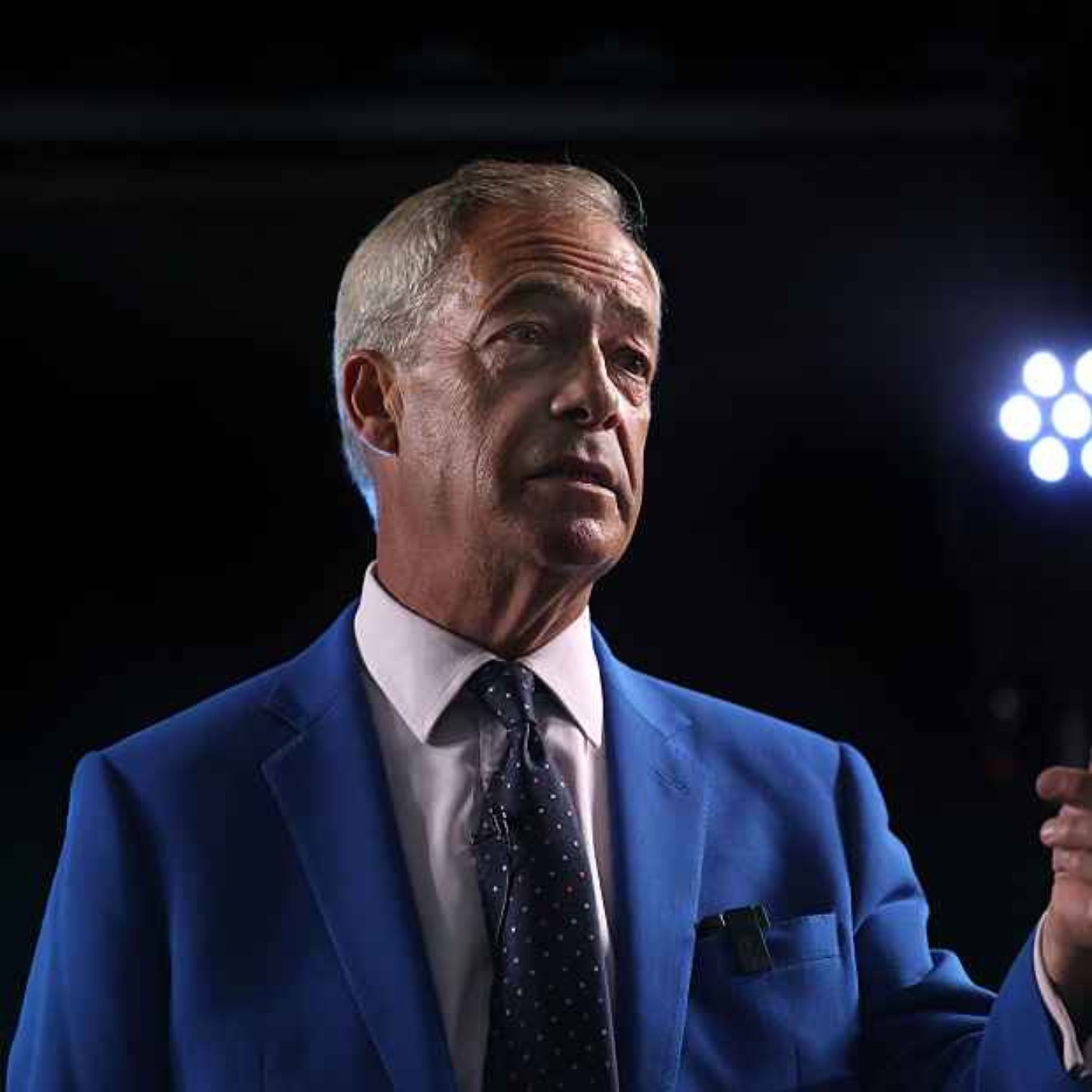
That instinct is sound. Let the people judge, not the standards committees or the commentariat that has long sought to marginalise him.
Trump knows this playbook intimately.
The same forces that tried to fell him — lawfare dressed up as process, media amplification of every allegation, deep state resistance to the popular will — are now grinding against Reform UK.
In America, Russiagate was the template: an elaborate effort to delegitimise a president elected on promises to secure borders, restore prosperity, and put citizens first.
It failed because enough Americans saw through the fog and refused to let elites annul their votes.
France and other Western nations have shown similar elite panic when populists surge. The objective is rarely honest debate on policy.
It is a preservation of power by any means necessary and, in particular, a focus on targeting the individual, sometimes including their family, not the policies or principles they stand for.
In Britain, this takes the form of relentless pressure on Reform: investigations, donation rows, and avoidance of the real battle of ideas on mass immigration, energy costs, cultural cohesion, and national identity.
Labour’s approach, like that of previous establishments, appears aimed at taking out Farage and his movement through procedural warfare rather than defeating them at the ballot box.
This must never be normalised. Democracy dies not in dramatic coups but in a thousand small acts of institutional capture where the rules are weaponised against challengers while the country’s problems fester.
Ordinary Britons see the consequences daily — in strained public services, communities transformed beyond recognition, and a sense that their concerns are dismissed as deplorable.
The human cost is too high for detached analysis. Britain’s greatness was built on confidence in its people, its laws, and its sovereignty.
When institutions prioritise self-preservation over the public interest, trust collapses. The Special Relationship suffers too.
A Britain confident in its identity and secure in its borders is a stronger partner to my own USA. A Britain distracted by internal purges and elite infighting is a diminished one — less able to stand with us against shared threats.
Yet I remain hopeful because Trump’s victory proves the pattern can be conquered.
He showed that unrelenting pressure from the people, combined with clear policy focus and refusal to bow, can shatter the machine. Farage’s move — turning scrutiny into a direct appeal to voters — echoes that defiance.
Reform’s recent gains signal a broader awakening: Britons are tired of managed decline. They urgently want restoration.
This by-election in Clacton must become more than a personal referendum. It should be a democratic reckoning against the technocrats. As Trump proved, the establishment narrative can be beaten. The alternative is unthinkable.


