
Nigel Farage has addressed “bizarre AI videos” circulating on social media as pressure mounts on Elon Musk’s X to tackle the growing spread of deepfake content.
In recent days, AI-generated adverts have appeared on the platform showing a fabricated altercation between the Reform UK leader and Bank of England governor Andrew Bailey on the set of BBC Question Time.
The fake clips have been accompanied by fraudulent articles promoting investment schemes.
Mr Farage addressed the videos on social media, writing: “You may have seen some bizarre AI videos on this platform today.
“Whilst Andrew Bailey and I have our disagreements, I would never take it that far!”
In the fabricated footage, the Reform UK leader and Mr Bailey appear to become embroiled in a physical altercation, with police officers stepping in to separate the pair.
The accompanying fake articles describe a made-up confrontation in which the Bank of England governor storms off the set of Question Time following a “full-blown confrontation” with Mr Farage.
Mr Bailey has never appeared on the programme.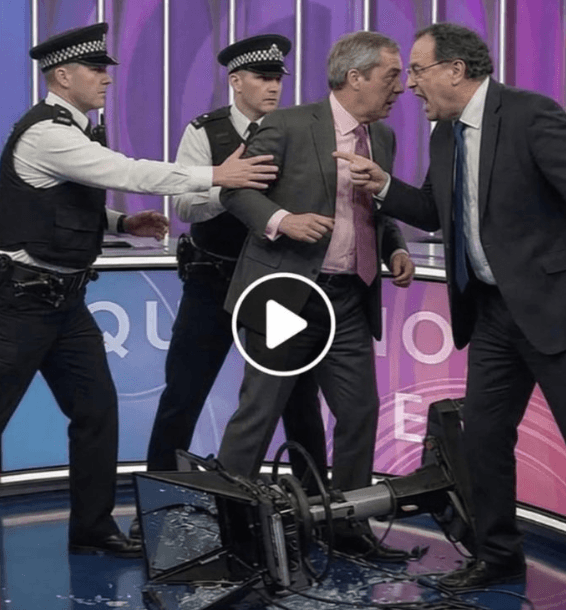
The Bank of England governor condemned the deepfakes as an “online scourge” and warned they were being used to promote fraudulent investment opportunities.
He urged social media users to report any such content to X.
Mr Bailey said: “These scams are designed to criminally exploit the public, especially the vulnerable, when they are online.
“I would urge everyone to stay vigilant and report these scams.
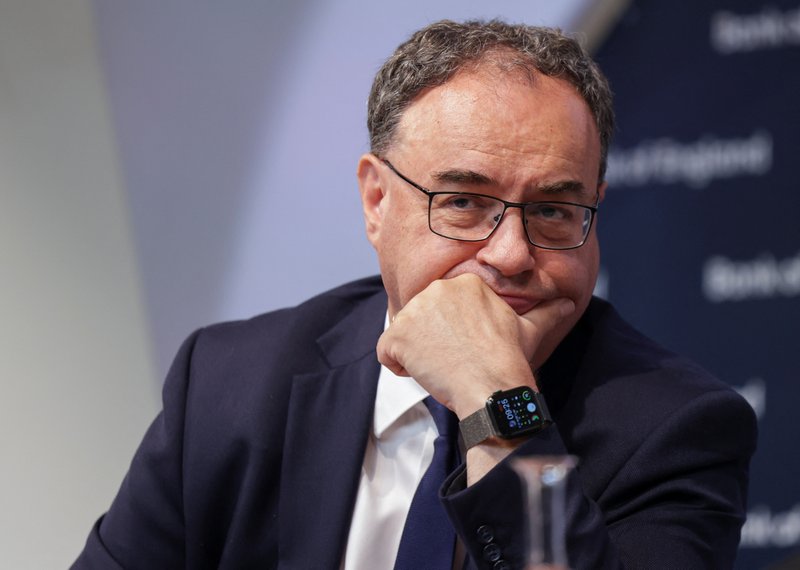
“That way authorities can better root out digital deception like this and permanently remove the fraudsters responsible for what is a truly online scourge.”
Scores of social media accounts shared the AI-generated content, directing users to bogus websites claiming to offer investment opportunities endorsed by Mr Bailey.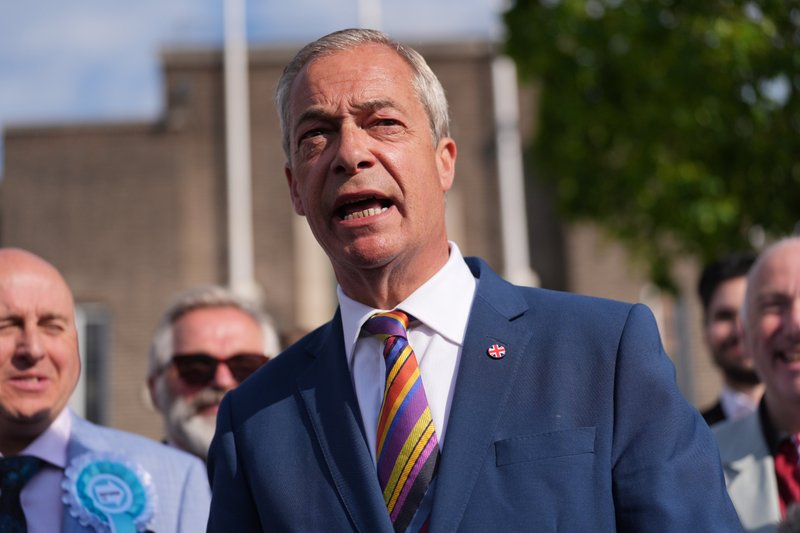
Cybersecurity analysts at Bitdefender said similar scams involving the Bank of England governor had appeared previously.
Researchers warned the activity appeared to form part of a “global, coordinated investment scam ecosystem” linked to Russian-speaking fraud groups.
A spokesman for the cybersecurity firm said it was “confident that it is highly likely the X campaign” was linked to a scam network the company had previously identified on Facebook.
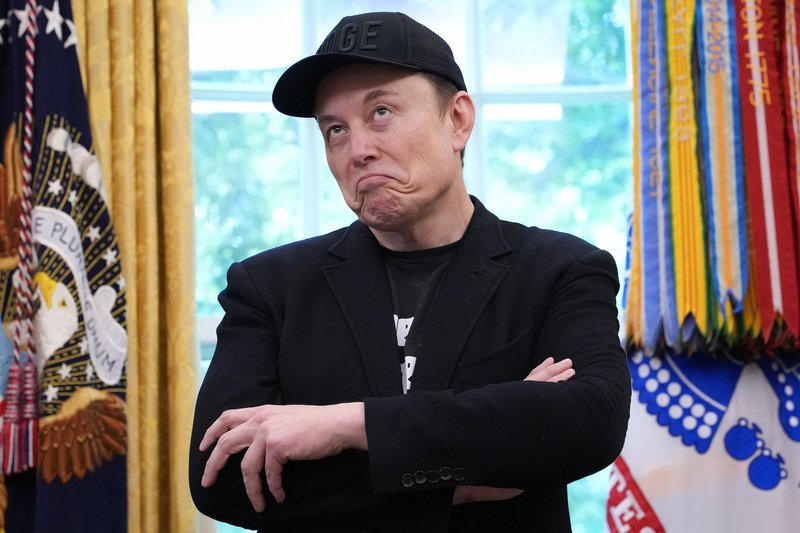
The incident has intensified scrutiny of X over the platform’s handling of AI-generated content.
Mr Musk, who acquired the social media platform in October 2022, has faced criticism over reductions to content moderation and safety teams following his takeover.
Last week, Labour MP Jess Asato launched legal action against Mr Musk’s artificial intelligence company xAI over allegedly sexualised deepfake content generated by its chatbot, Grok.
Ms Asato, the MP for Lowestoft, claims users created fake images depicting her in a bikini, pregnant in a kitchen and being drugged ahead of a sexual assault.
She is seeking damages under the Data Protection Act and wants the High Court to ensure the chatbot complies with UK law.
Meanwhile, the Advertising Standards Authority has warned of “a continuing trend” of fraudsters using fake celebrity endorsements, increasingly relying on AI-generated imagery and deepfake videos to deceive the public.


