
A Labour MP has launched legal action against Elon Musk’s AI firm over “sexualised deepfake images” created by its chatbot.
Jess Asato, MP for Lowestoft, became a victim of AI chatbot Grok’s capability to create sexual images after users created a fake video of her being drugged in preparation for sexual assault, an image of her in a bikini and her being pregnant in a kitchen.
She is now suing xAI in the High Court under the Data Protection Act for misusing private information.
Her ambition is to ensure Grok is compliant with the law and receive compensation for the invasion of privacy.
Ms Asato and her legal team are hoping the case will have a broader impact on how the AI chatbot will be held accountable for similar incidents.
“Me going public is so that we can invite people who may have been victims of AI photo manipulation on Grok to come forward and to seek legal help … to give people a sort of sense that they’re not alone when this happens,” she said.
The MP previously aimed criticism of Mr Musk and his company at the start of the year after it was found users could ‘nudify’ images of real children and women, the Times reports.
A similar lawsuit against Grok took place in New York state, after the mother of one of Mr Musk’s children, Ashley St Clair alleged the chatbot created explicit images of her were generated, including one of her in which she is underage.
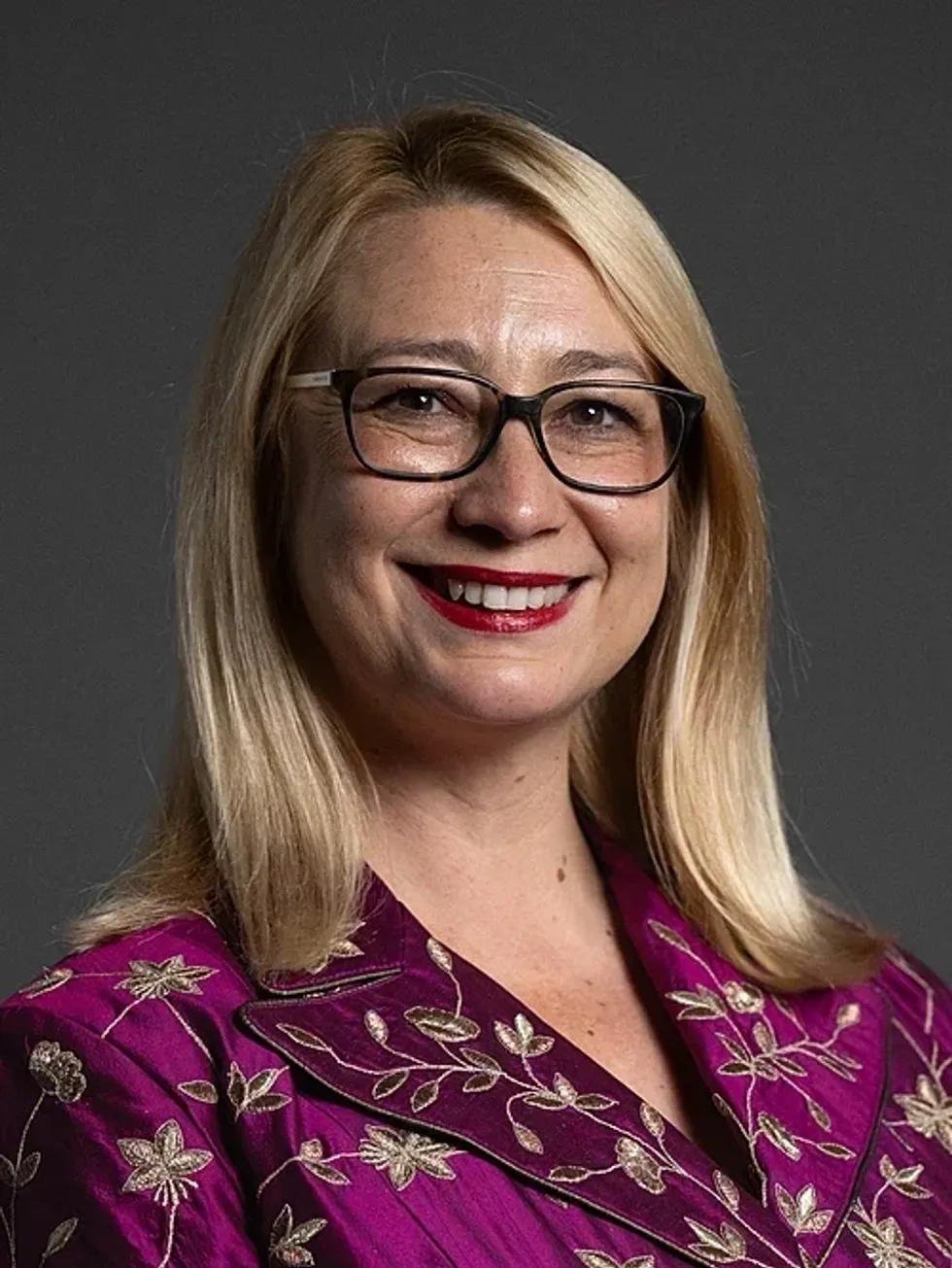
Ms Asato hopes the legal action ‘gives voice to the thousands of victims in the UK, women, girls and horrifically even children, who were abused by Grok’
|
UK GOVERNMENT
In January, it was revealed Grok had generated three million sexualised images of people in under a fortnight.
It included images of generated of children and celebrities.
Grok users produced 190 sexualised images per minute between December 29 to January 8, the Centre of Countering Digital Hate revealed.
This sparked global outrage over Grok, including the UK, which expedited new laws to make illegal the creation of non-consensual AI generates images.
LATEST DEVELOPMENTS
- Labour unveils asylum crackdown to end ‘abuse’ of British universities
- Top PM aide told Lord Mandelson he was ‘so sorry’ after sacking
- Keir Starmer’s ‘disappearing Peter Mandelson messages’ must be investigated, say Tories
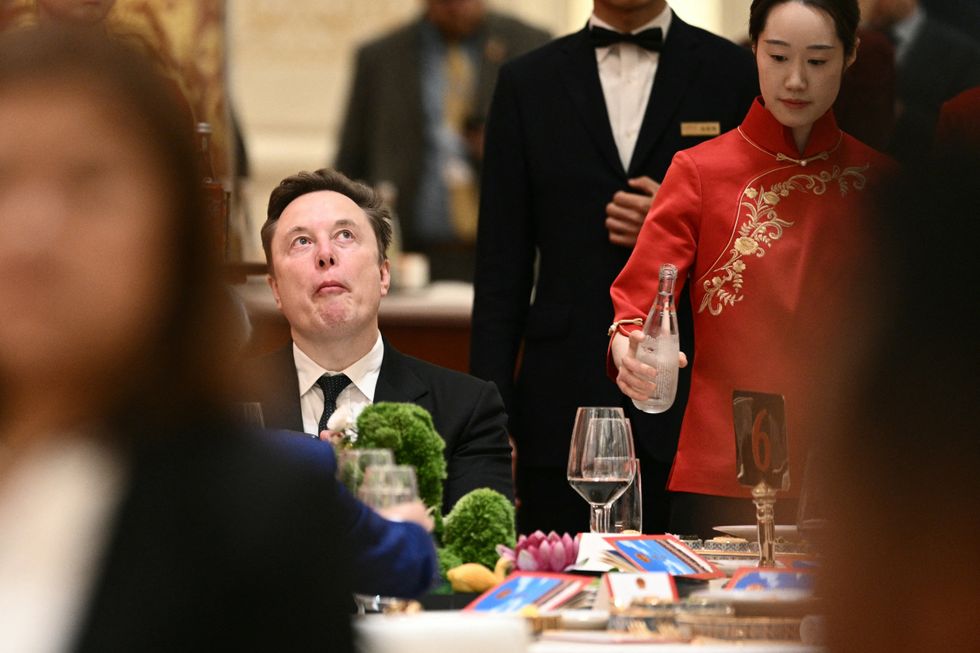
Mr Musk also owns the car company Tesla which has repeatedly been accused of creating an atmosphere of racism and sexism by its factory staff
|
GETTY
xAI said users will no longer be able to use images of real people to create sexualised content.
Ms Asato said while the generation of sexualised images is not the same as physical assault, it felt “very similar”.
She said: “Nobody would be able to walk up to me in the street and strip me and put me in a bikini and I don’t see why anybody should be able to do that to me online, because the feeling, while it is not quite the same, is very similar. It is like somebody has digitally stripped me without my consent.
“I hope this legal action also gives voice to the thousands of victims in the UK, women, girls and horrifically even children, who were abused by Grok.”
Despite the misuse of the chabot, Mr Musk has gone for his competitors, such as ChatGPT and Claude, which have tighter restrictions on generated content.
xAI is also being investigated by Ofcom for potentially breaching the Online Safety Act.
The company, which merged with Mr Musk’s Space X on May 6, pledged to protect UK users from illegal hate and terror content as the regulator exerted pressure on it.
Space X have confirmed they are preparing to launch the biggest IPO on record, valuing the business at $1.75 trillion (£1.3 trillion).
Ms Asato’s lawyer Ravi Naik of AWO said the law must provide a remedy wherever a wrong has been committee and this principle should be applied to artificial intelligence just as to anything else.
He said nobody should be subjected to abuse of this kind or be forced to instruct a lawyer simply to have such images removed, arguing the content existed as a direct result of deliberate design choices made by engineers at xAI.
He described the case as one of the first to test liability for the design of an AI system and said it aimed to establish that safety could not be treated as an afterthought, adding that his client had shown “real courage” in coming forward.
Mr Naik concluded anyone else affected should know they had rights and encouraged them to seek legal advice.
Our Standards:
The GB News Editorial Charter


