
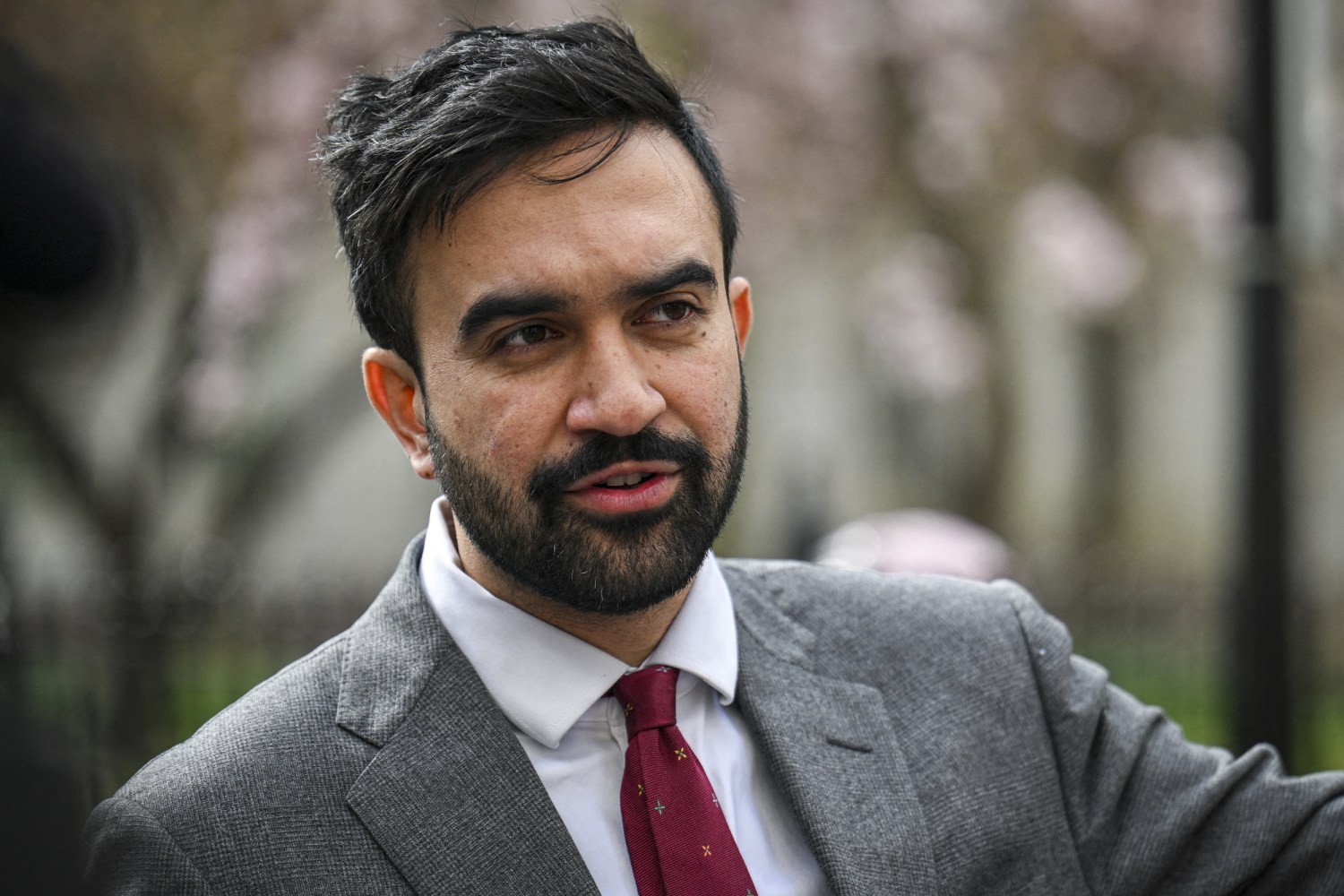
When voters elected Zohran Mamdani as mayor last month, many expected a shake-up. But few anticipated just how dramatically he would move to the ideological left, or how quickly. His transition team, revealed this week, reads like a roster designed to jolt even the most seasoned New York political watcher.
The list — riddled with typos and raised eyebrows — features several figures whose careers revolve around criminal-justice activism from a distinctly unconventional angle. Whether those errors were accidental or intentional, one thing is clear: a quick look into the appointees’ backgrounds shows just how far outside the mainstream some of Mamdani’s advisers sit.
Traditionally, cities lean on experts in policing, victims’ rights, or public safety. Mamdani, however, is tapping people known for advocating systemic change from the opposite end — including individuals whose work has involved supporting people convicted of serious crimes.
One such pick is Lumumba Bandele, slated for Mamdani’s “Committee on Community Organizing.” Bandele is a long-time activist whose career has placed him squarely in controversial debates around police violence and incarceration. His appointment will undoubtedly raise questions among NYPD officers and the communities they protect.
Another is Sarita Daftary of “Freedom Agenda,” an organization focused on reducing incarceration and transforming the criminal-justice system. Their mission is rooted in the belief that mass imprisonment causes more harm than it solves — a stance that will meet strong resistance from New Yorkers who believe public safety requires tough enforcement.
Perhaps the most startling appointment is rapper-turned-activist Mysonne Linen, who once served seven years in prison for armed robbery and is now joining the incoming mayor’s “criminal legal system committee.” Linen has framed the moment as a chance to “build something different” — and he’s right, in the sense that this will be a sharp departure from past city policy.
To understand why Mamdani is making these choices, it helps to look at the worldview he and his allies champion. Their approach mirrors “restorative justice” frameworks that gained prominence in post-apartheid South Africa, rooted in the idea that traditional Western concepts of policing and punishment fail to address the deeper causes of crime. Instead of focusing solely on punishment, these models emphasize community healing, dialogue, and reduced reliance on incarceration.
Critics argue that this romanticizes pre-modern systems that were often harsh and arbitrary, and that it dismisses the very real need for consequences to protect victims and prevent repeat offenses. They also point out an inconvenient truth: South Africa, often cited as a model by restorative-justice advocates, currently suffers from some of the highest violent-crime rates in the world.
This is why some New Yorkers fear the direction of the new administration. Calls to replace police with mental-health responders, reduce incarceration, and reimagine the justice system might sound bold — but without the right safeguards, they could expose communities to greater danger rather than less.
As Mamdani’s team takes shape, one thing is certain: this will be a dramatic experiment in governance. And like any experiment, the city itself may feel the consequences.
For better or worse, New York is about to find out what “something different” really looks like.


