
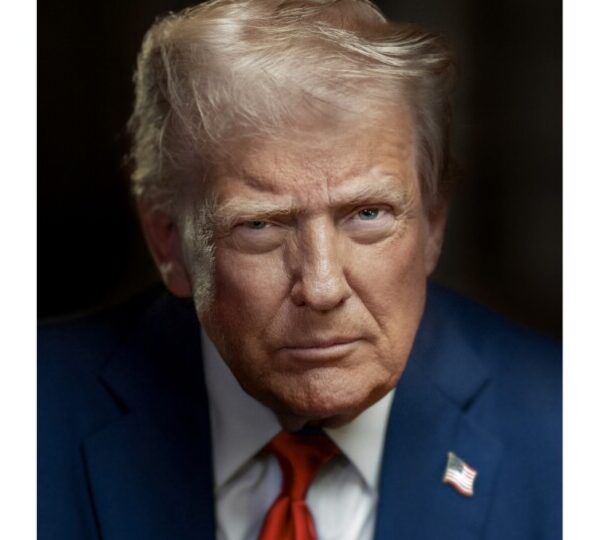
What Trump said — and why it set off a firestorm
In his post (on his own platform and widely shared elsewhere), Trump launched a harsh attack on immigration — particularly targeting the Somali-American community in Minnesota — portraying them as a burden and threatening sweeping changes to immigration and asylum policies.
He also went after Governor Tim Walz personally, calling him “seriously r—-ed,” a derogatory and ableist slur directed at people with intellectual disabilities.
In addition to the slur, Trump accused the Somali community of contributing to crime, claimed Minnesota had been “taken over,” and blamed some Somali immigrants for widespread fraud — comments widely viewed as xenophobic and inflammatory.
He also used sharp, racially charged language toward officials such as Representative Ilhan Omar.
The post sparked immediate backlash from the media, civil-rights organizations, disability-advocacy groups, Minnesota officials, and a large number of citizens.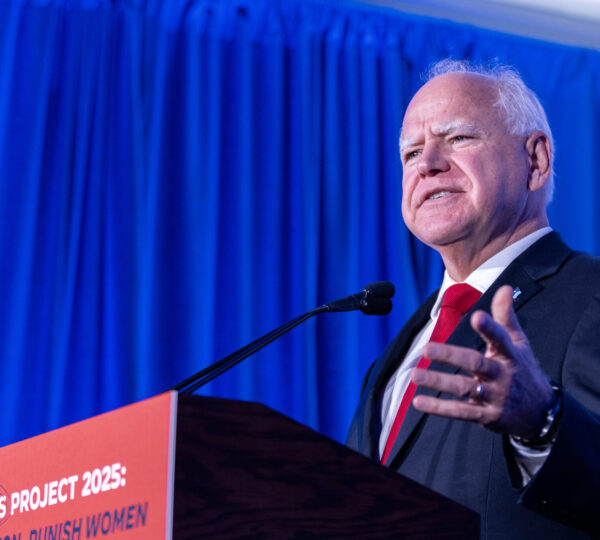
Walz’s response — and how four words flipped the narrative
Instead of responding with insults, Tim Walz posted just one sentence on X:
“Release the MRI results.”
Those four words instantly shifted the entire conversation. Rather than focusing on Trump’s discriminatory remarks, the public began questioning his health, transparency, and overall fitness to lead.
Many analysts called it a brilliant counterpunch — turning a shouting match into a debate about responsibility and transparency for someone in a position of power.
The MRI — what is known and what remains unclear
According to public statements, Trump underwent an MRI in October 2025 at Walter Reed National Military Medical Center. The White House described the results as “perfect.”
Trump said he did not know which part of his body was scanned; he suggested it “wasn’t the brain” because he later took a cognitive test and “aced it.”
However:
- No detailed medical report has been released.
- No scan images, doctor’s notes, or independent verifications exist.
- No one outside Trump’s medical team knows the purpose of the MRI.
This lack of information is exactly what makes Walz’s demand so significant.
The broader context — why this matters beyond an online feud
The controversy touches several major issues:
1. Racial, religious, and immigration tensions
Trump’s comments about Somali immigrants and Rep. Ilhan Omar sparked fear within Minnesota’s large Somali community. Local leaders quickly pushed back, warning against stigma and collective blame.
2. Disability rights and ableism
Trump’s slur toward people with intellectual disabilities drew condemnation from disability-rights groups, emphasizing how political language can reinforce harmful stereotypes.
3. Public trust and transparency in leadership
“Release the MRI results” revived the ongoing debate about how transparent leaders — or potential leaders — must be about their health.
4. Political strategy and narrative control
Walz’s reply showed how a short, well-timed message can completely shift the political narrative — from insults to questions of leadership capacity.
What remains unknown — and may stay unclear for a while
- Which part of Trump’s body was scanned? Brain? Heart? Spine? Something else?
- What was the MRI actually for?
- Will anyone be able to pressure the White House to release the results?
- Will the controversy have a lasting effect on politics, elections, or immigration policy?
All of it remains unanswered.
Why “Release the MRI results” resonated so strongly
Walz’s statement worked because it:
- Moved the conversation from emotion to reason — from outrage to demands for transparency.
- Shifted attention to leadership fitness instead of personal insults.
- Highlighted a contradiction: attacking a vulnerable community while hiding personal health details.
- Created a powerful, viral political message — short, sharp, and memorable.
What the public and media will watch next
- Whether Trump will release the full MRI results — and how complete that release would be.
- How Minnesota’s Somali community will be affected amid political and media pressure.
- How the use of racist, xenophobic rhetoric will shape future immigration and civil-rights debates.
- How this moment will influence public trust — and potentially future elections or campaigns.


