
Tatiana Schlossberg’s Quiet Courage: Fighting Leukemia While Holding Life Together
When Tatiana Schlossberg reflects on mortality, there’s no drama, only a rare clarity that feels both fragile and astonishingly brave. Her memories — childhood friends, small accidents, snowy winters — now feel monumental, threatened by an illness that could steal away the life she has yet to live.
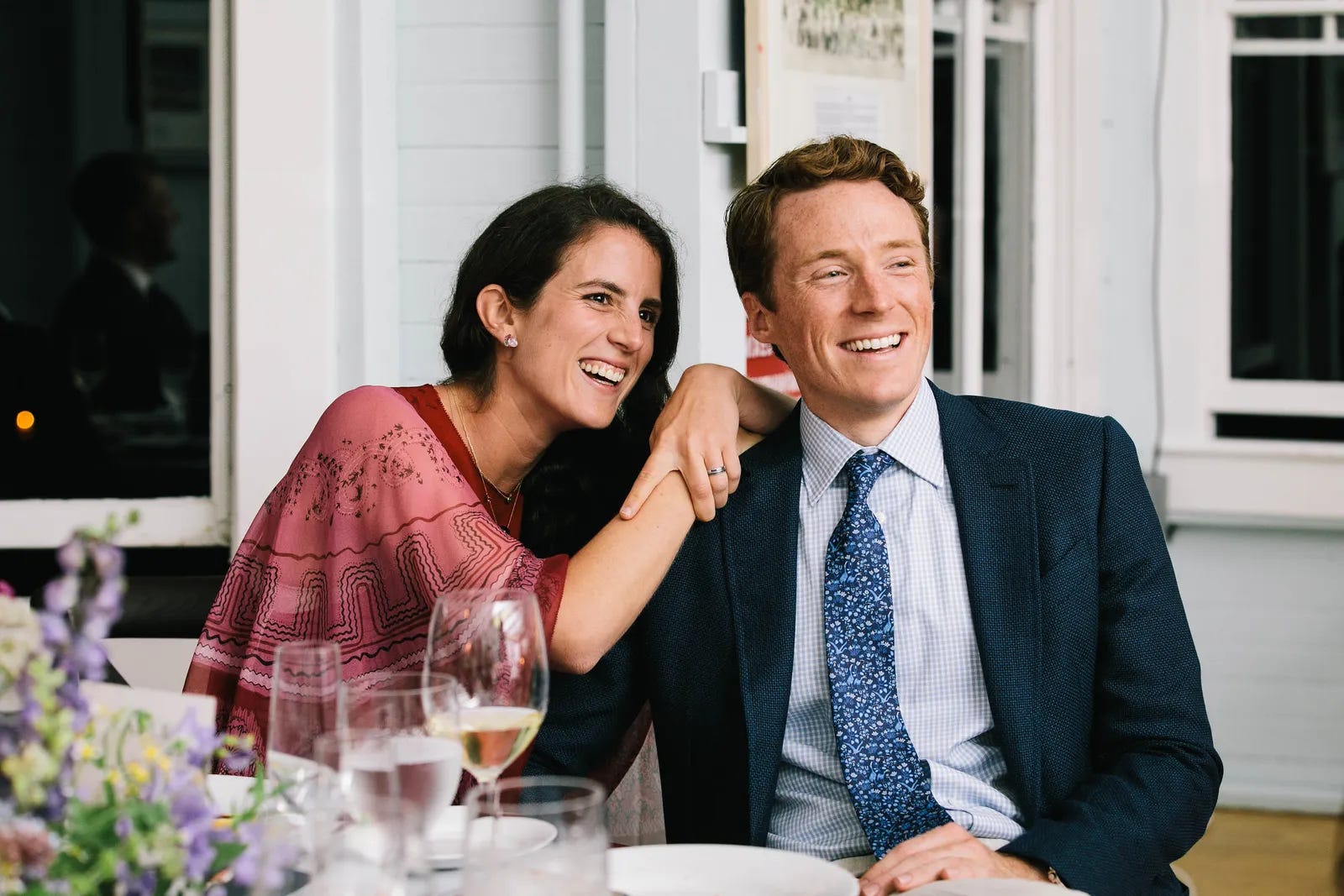 On May 25, 2024, Tatiana and her husband George welcomed their second child at Columbia-Presbyterian Hospital in New York. Ten minutes later, a routine blood test shattered their joy. Tatiana’s white blood cell count: 131,000 — far above the normal 4,000–11,000 range.
Doctors speculated: childbirth, stress, hormones. Tatiana tried to laugh it off: “It’s not leukemia.”
It was.
At just 34, the journalist, environmental advocate, and daughter of Caroline Kennedy and Edwin Schlossberg was diagnosed with acute myeloid leukemia — a rare mutation usually found in elderly patients. In an instant, her life and the lives of those who love her changed forever.
A Family Shaken but Steeled by Love
Her newborn was taken to the nursery. Her parents arrived with her toddler son, who climbed into her hospital bed and pretended it was a bus. Days blurred into weeks: five weeks of intensive chemotherapy, a postpartum hemorrhage nearly taking her life again.
Humor became both armor and lifeline. She called herself a “beat-up Voldemort” as hair fell out and bruises spread. Small comforts — friends sending paint sets, nurses bending rules so she could sit on the floor with her son, family drawings taped to the walls — became anchors in the storm.
Gifts of Family and Strangers
A bone-marrow transplant offered hope. Her sister, a perfect match, donated stem cells, joking about allergies along the way. But relapse came.
A second transplant from an anonymous donor somewhere in the Pacific Northwest gave her more time — more days with her children, more chances to savor life’s fragile joys. Tatiana imagined him as a flannel-shirted lumberjack or a software engineer in Seattle, forever grateful for his unseen sacrifice.
Love as a Lifeline
Throughout her illness, George, her doctor husband, was a constant. Sleeping on hospital floors, sprinting home to check on their children, returning with food and exhausted eyes, he became her anchor in a world spinning out of control.
Her children — her compass — reminded her of the life she was fighting for. Her toddler son’s soft greeting, “It’s so nice to meet you in here,” after a long hospitalization, and her baby daughter’s innocent giggles became treasures, small beacons against the darkness.
Fighting Against Time and a Broken System
Clinical trials and CAR-T therapy offered hope, but complications mounted: lung failure, kidney crises, graft-versus-host disease. Doctors quietly gave a timeline: one year, if miracles held
Even from her hospital bed, Tatiana watched political battles threaten research funding and cancer treatments. Yet she continued to write, to remember, to reach for hope.
She once planned to write a book about the ocean. Ironically, one chemotherapy drug saving her life came from a Caribbean sea sponge. Even in darkness, the ocean reached back.
Memories as a Beacon
Tatiana’s memories now arrive in waves: summers of childhood, her children’s laughter, her husband’s hand in hers. The words she leaves behind — raw, tender, luminous — stand as a lighthouse through the storm, a testament to grace, humanity, and the extraordinary courage of refusing to let go.


